How to grow lemon balm
Melissa officinalis · Lamiaceae · Herb
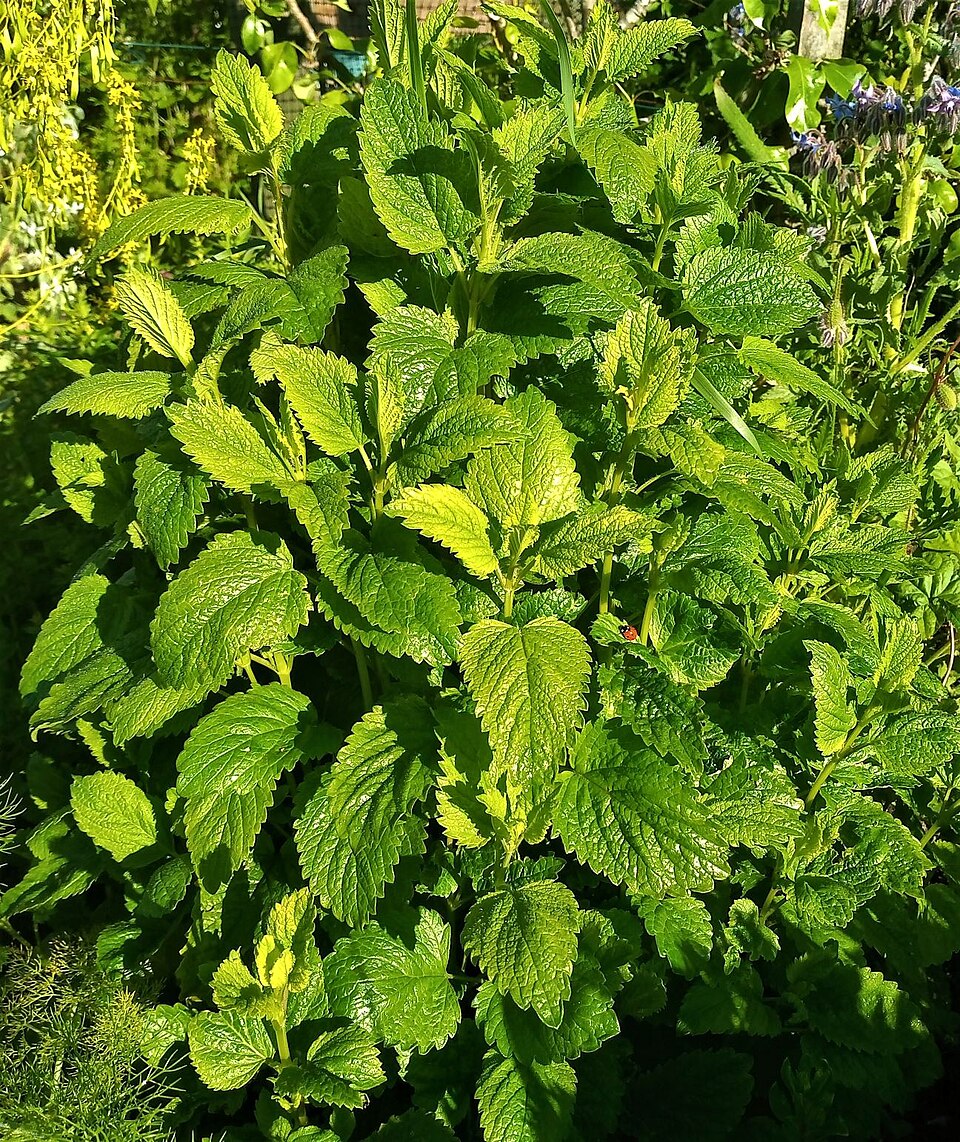
Lemon Balm is a cool-season herb in the Lamiaceae family, grown either from a direct sowing or from transplants. It wants full sun, though it tolerates a little afternoon shade in hot regions and steady, even moisture. From sowing to first pick is about 70–90 days. It is one of the toughest crops here, standing through hard frost and often improving for it.
Grower’s note: A hardy mint-family perennial with a strong lemon scent, used fresh for tea. It self-seeds prolifically and creeps by root - deadhead it and grow it in a pot or a contained bed. Cut it back hard in midsummer for a flush of fresh leaves.
Sowing
Sow barely covered — the seed needs light to germinate, into soil between 60–80°F — germination is quickest near 70°F. It is slow and often erratic to germinate (7–21 days). For an early crop, start seed indoors about 7 weeks before your last spring frost and grow it under bright light.
Spacing & layout
Give each plant about 18″ along the row with roughly 24″ between rows. On a square-foot grid that is 1 per square foot. Allow at least 10″ of loose, workable soil for the roots. It grows well in containers at least 10″ deep.
Fitting it to your season
As a cool-season crop, lemon balm does its best growing in the mild weather of spring and fall and tends to bolt or turn bitter in summer heat.
Quick facts
When to plant lemon balm
Companions
Broccoli, Cauliflower
No strong antagonists recorded.
Common problems
Pests: aphids, spider mite, thrips.
Diseases & disorders: powdery mildew, septoria leaf spot, root rot.
Same family (Lamiaceae)
Rotate these so they don’t follow each other in the same bed year to year.
Figures are typical home-garden ranges from Cooperative Extension planting guides, cross-checked against multiple state sources. Your variety and conditions will vary.