How to grow napa cabbage
Brassica rapa subsp. pekinensis · Brassicaceae · Vegetable
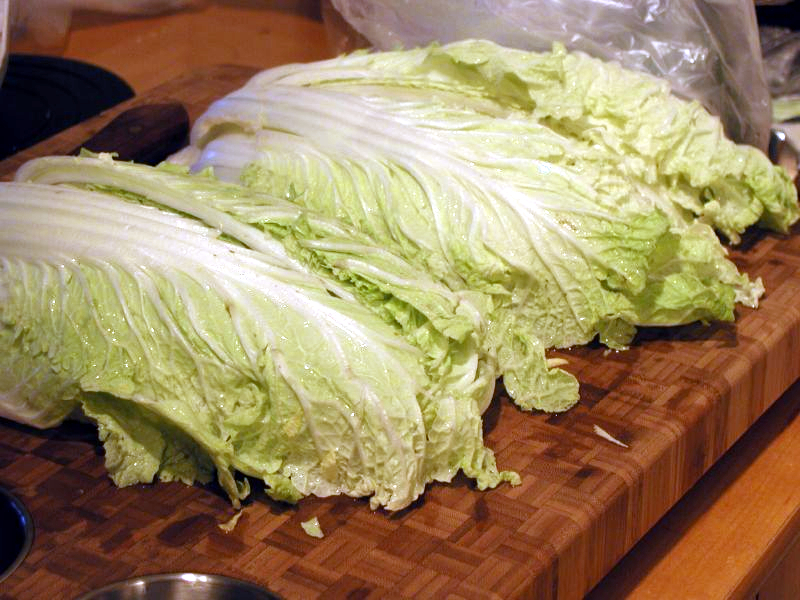
Napa Cabbage is a cool-season vegetable in the Brassicaceae family, grown either from a direct sowing or from transplants. It wants full sun, though it tolerates a little afternoon shade in hot regions and consistent moisture — it resents drying out. From sowing to first pick is about 50–75 days. It shrugs off a light frost but a hard freeze will damage it.
Grower’s note: Bolts fast in spring heat and long days, so it is really a fall crop - sow in mid-to-late summer to head up in cool weather. Needs rich soil and steady water to form a tight barrel-shaped head.
Sowing
Sow about 0.5″ deep, into soil between 45–85°F — germination is quickest near 70°F. It comes up fast (4–10 days). For an early crop, start seed indoors about 4 weeks before your last spring frost and grow it under bright light.
Spacing & layout
Give each plant about 12″ along the row with roughly 18″ between rows. On a square-foot grid that is 1 per square foot. Allow at least 12″ of loose, workable soil for the roots. It grows well in containers at least 12″ deep.
Fitting it to your season
As a cool-season crop, napa cabbage does its best growing in the mild weather of spring and fall and tends to bolt or turn bitter in summer heat. A second sowing in late summer, timed to mature as the weather cools, is usually the better crop of the year — though a hard freeze will end it.
Quick facts
When to plant napa cabbage
Companions
Onion, Beet, Celery
Tomato, Pole Bean, strawberry
Common problems
Pests: flea beetle, cabbage worm, aphids, cabbage root maggot.
Diseases & disorders: clubroot, black rot, downy mildew.
Same family (Brassicaceae)
Rotate these so they don’t follow each other in the same bed year to year.
Figures are typical home-garden ranges from Cooperative Extension planting guides, cross-checked against multiple state sources. Your variety and conditions will vary.