Growing pear
pome fruit
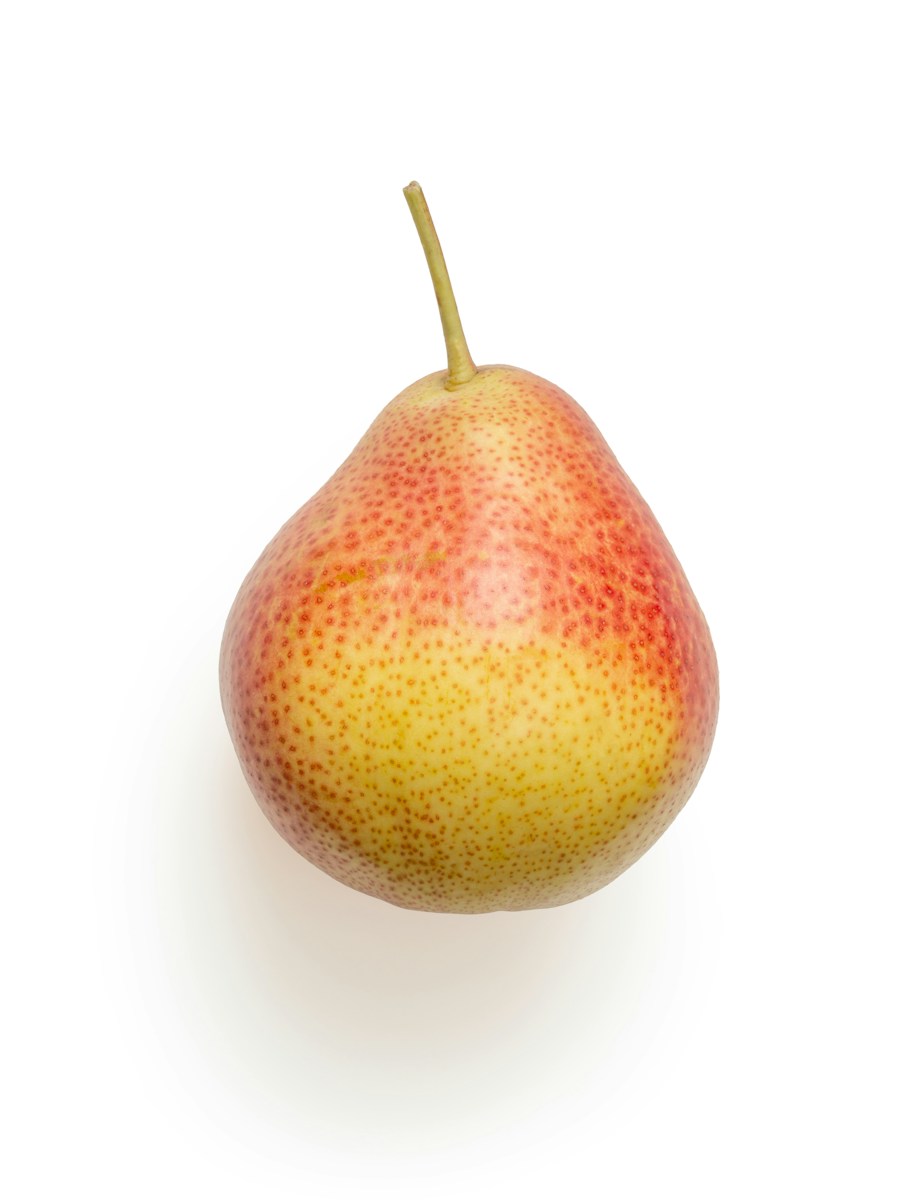
Pollination
Best with a second European pear variety; 'Bartlett' and 'Bosc' cross well. A few ('Bartlett' in mild areas) set a light crop alone.
Growing it
Zones 4-8. Pick while still firm and ripen off the tree. Watch for fire blight in warm, wet springs.
Where pear grows best
Hardy in zones 4-8, and it needs enough winter cold - about 500-900 chill hours - to flower and fruit well. Combining the two:
Good fit across most of: Alabama, Arkansas, Colorado, Connecticut, Delaware, District of Columbia, Georgia, Idaho, Illinois, Indiana, Iowa, Kansas, Kentucky, Maine, Maryland, Massachusetts, Michigan, Minnesota, Mississippi, Missouri, Montana, Nebraska, New Hampshire, New Jersey, North Carolina, Ohio, Oklahoma, Pennsylvania, Rhode Island, South Carolina, South Dakota, Tennessee, Utah, Vermont, Virginia, West Virginia, Wisconsin, Wyoming. Also parts of Alaska, Arizona, California, Florida, Louisiana, Nevada, New Mexico, New York, North Dakota, Oregon, Texas, Washington.
Will you get enough chill?
Pear (European) needs roughly 500–900 hours between 32 and 45 °F over winter to break dormancy evenly. Check your area with the chill hours calculator. Low-chill breeding has pushed many varieties well below the figure here, so read the plant tag.
Questions gardeners ask
What zone does pear grow in?
Pear (European) grows in USDA hardiness zones 4-8.
How many chill hours does pear need?
Roughly 500-900 hours between 32 and 45°F over winter, depending on the variety. Low-chill varieties need less - check the plant tag, and estimate your own area with the chill hours calculator.
Does pear need a pollinator?
Partly self-fertile — crops much better with a partner. Best with a second European pear variety; 'Bartlett' and 'Bosc' cross well. A few ('Bartlett' in mild areas) set a light crop alone.
Which states can grow pear?
Pear (European) suits most of Alabama, Arkansas, Colorado, Connecticut, Delaware, District of Columbia, Georgia, Idaho, Illinois, Indiana, Iowa, Kansas and 26 more, and parts of 12 other states where the right zones occur. Your own zone and chill hours matter more than the state.
Chill and pollination are given at the fruit-type level; specific cultivars can differ. Values are typical ranges for home-garden planning.